



How to Monitor a Project

Project monitoring is a critical management function that ensures projects stay on track, resources are used effectively, and intended results are achieved. Effective monitoring is not about control alone; it is about learning, improvement, accountability, and informed decision-making throughout the project life cycle.

Integrated Monitoring Steps and Methodology

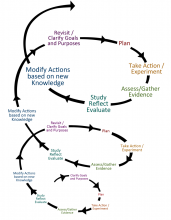
Integrated Monitoring

Integrated Monitoring is a continuous, learning-based management approach in which planning, implementation, monitoring, and improvement happen together rather than as separate activities. It focuses on learning by doing, using evidence and feedback from implementation to improve current and future actions while adapting to changing conditions. This way of management requires a series of different steps:

Project Integration Management - Types, Examples, Advantages


Project Constraints and Trade-offs

Project constraints arefactors that limit or restrict the project's ability to achieve its objectives. Trade-offs involve making decisions and prioritizing one aspect of the project over others when constraints cannot be fully met.

Project Management Tailoring Based on Context

Project management tailoring involves customizing project management processes, methods, and documentation to suit the specific needs, characteristics, and constraints of a project.

Project Stakeholders and Their Influence:

Project stakeholders are individuals, groups, or organizations that have an interest or can be affected by the project. Understanding stakeholder influence is crucial for effective project management.

Organizational Systems and Project Governance

Organizational systems refer to the structure, policies, procedures, and culture within an organization that influence project management practices. Project governance involves the framework and processes that guide decision-making, accountability, and control within a project.

Difference between Project Management and Operations Management

Project management and operations management are two distinct disciplines within the field of management. While they share similarities, they have different focuses and responsibilities. Here are some key differences between project management and operations management:

Tags: 

PMP 7th Edition Syllabus by PMI

PMP (Project Management Professional) syllabus based on the PMBOK (Project Management Body of Knowledge) 7th edition is administered by the Project Management Institute (PMI), and the official syllabus and exam content may vary. It is always recommended to refer to the PMI's official resources for the most up-to-date and accurate information. However, here is a general outline of the PMP syllabus based on the PMBOK 7th edition:

Introduction to Project Management Fundamentals

Project management is the discipline of planning, organizing, and controlling resources to achieve specific goals and objectives within a defined timeframe. It involves the application of knowledge, skills, tools, and techniques to meet project requirements and deliver successful outcomes. In this topic, we will explore the fundamentals of project management, the role of a project manager, the project management lifecycle, and key concepts and terminology.

What is Disaster Management

Disaster management refers to the process of planning, organizing, coordinating, and implementing measures to mitigate, prepare for, respond to, and recover from natural or man-made disasters. It involves various activities and strategies aimed at minimizing the impact of disasters on human lives, infrastructure, and the environment. Here are the key components of disaster management:

What is Evaluation | Key Aspects of Evaluation

Evaluation refers to the systematic assessment and analysis of a program, project, or policy to determine its effectiveness, efficiency, relevance, and sustainability. It aims to provide evidence-based judgments and recommendations about the value and impact of the intervention. Here are some key aspects of evaluation:

Types of Monitoring and Evaluation Studies

Different types of Monitoring and Evaluation (M&E) studies are conducted at various stages of a project to gather specific information and assess different aspects of the project's performance. Here's an explanation of each type of M&E study:

The Concept of Strategic Human Resources

As Baird and Meshoulam (1988) remarked: Business objectives are accomplished when human resource practices, procedures and systems are developed and implemented based on organizational needs, that is, when a strategic perspective to human resource management is adopted.’ This explains the strategic direction of the Human Resource Management. Strategic HRM takes its root from Strategic management where

Reasons for Studying Business Ethics

Business Ethics

Business ethics is not merely an extension of an individual's own personal ethics. Many people believe that if a company hires good people with strong ethical values, then it will be a “good citizen organization. Professionals in any field, including business, must deal with individual's personal moral dilemmas because these issues affect everyones ability to function on the job.

Pages

Subscribe to Monitoring and Evaluation Studies RSS